

Summary
Berkeley residents have more transportation choices than many California communities, but each comes with costs. This guide explains how to compare BART, AC Transit, bicycle, parking, gasoline, and vehicle expenses so households can choose transportation based on the complete cost rather than a single fare or tank of gas.
Photo by Anagha Varrier on Unsplash
Berkeley Transportation Costs: BART, Bus, Bike & Car
The Real Cost of Getting Around Berkeley: BART, Bus, Bike, and Car Expenses
Transportation in Berkeley is different from transportation in a car-dependent suburban community.
A resident might walk to BART, take AC Transit, bike to work, drive several days a week, or combine all four options.
That flexibility can save money—but only when households understand the complete cost.
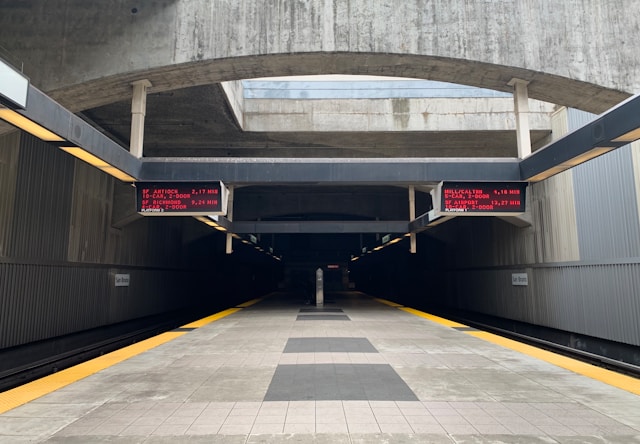
Berkeley has three BART stations: Downtown Berkeley, North Berkeley, and Ashby. Downtown Berkeley connects directly with AC Transit and is close to UC Berkeley, while North Berkeley and Ashby provide additional access and parking options.
Calculate the complete BART trip
A BART commute may involve more than the rail fare.
Include:
- BART fare
- Parking
- AC Transit connection
- Bicycle maintenance
- Occasional rideshare
- Transportation to the station
Downtown Berkeley has no BART parking, while North Berkeley and Ashby provide station parking. BART currently lists North Berkeley daily parking at $3.80; pricing should be verified before publication because fares and parking rates change.
Someone who drives to the station must therefore compare:
BART fare + parking + gas to station
against the full cost of driving to the final destination.
Understand AC Transit costs
AC Transit’s adult local fare effective July 1, 2026 is $2.75 when paying with Clipper or a contactless bank card and $3.00 when paying cash. Its current system also applies fare maximums that can automatically provide day, weekly, or monthly value when spending reaches specified thresholds.
For someone who rides frequently, compare the monthly cost rather than looking only at one fare.
Eligible youth, seniors, riders with disabilities, and other qualifying riders may have access to discounted fares.
Do not assume a car costs only the price of gas
Driving expenses include:
- Fuel
- Insurance
- Registration
- Parking
- Tolls
- Oil changes
- Tires
- Brakes
- Battery
- Repairs
- Vehicle payment
A commuter who spends $50 per week on gasoline may still have hundreds of dollars of additional monthly vehicle costs.
Create a transportation sinking fund for maintenance and annual expenses.
Biking can reduce costs—but still requires a budget
Berkeley’s transit system and bicycle infrastructure make combining a bicycle with transit practical for some residents.
Downtown Berkeley BART provides bike parking, and North Berkeley station connects conveniently with the Ohlone Greenway.
Bike costs can include:
- Maintenance
- Tires and tubes
- Lights
- Locks
- Helmet
- Rain gear
- Replacement parts
Those amounts may be considerably less than car ownership but should still be planned.
Compare transportation by week
Create a simple comparison:
Option A: Drive
Gas + parking + tolls + weekly maintenance allowance
Option B: Transit
BART + bus + parking at station
Option C: Bike and transit
Fare + bicycle maintenance allowance
Do not choose based only on the cheapest single trip.
Also consider:
- Work schedule
- Safety
- Childcare
- School drop-offs
- Accessibility
- Late-night service
- Travel time
The least expensive option must still work for the household.
Build an emergency transportation reserve
Transportation can be directly connected to earning income.
Start with:
- $50
- $100
- $250
Use it for true transportation disruptions such as:
- Emergency rideshare
- Tire repair
- Transit reload
- Bicycle repair
- Battery replacement
- Parking required for an unexpected work shift
Protecting the ability to reach work can protect the paycheck itself.
Suggested internal links
- Berkeley Family Budget Guide
- How Berkeley Workers and Students Can Budget With Irregular Income
- Healthy Money Habits with Cash Now California
- How to Build a Weekly Money Check-In Habit
- Cash Advance Apps Explained by Cash Now California