


You do not need a long list of New Year’s resolutions to begin the year feeling more organized. Completing a few practical tasks before January can reduce financial surprises, simplify your household schedule, and make the first weeks of the year easier to manage.

A four-year college degree is one route to a career, not the only one. California workers can enter many fields through high school, employer training, certificates, community college, apprenticeships, licensing, or demonstrated skills. This guide shows how to compare those pathways without falling for expensive training promises.
For workers without reliable cars, transportation is not a detail to solve after getting hired. It should shape the search from the beginning. This guide shows how to map a realistic employment radius around transit and avoid jobs that look good until the commute is tested.
If your resume feels short, the answer is not to invent experience. It is to identify the reliability, service, organization, caregiving, technology, and problem-solving skills you already have, then target employers willing to train. This guide shows how.
When income has stopped or work hours have been cut, a normal job search can feel too slow. This guide shows California job seekers how to focus on employers and resources that can move faster while avoiding desperate decisions, job scams, and work that costs more to take than it adds to the household.
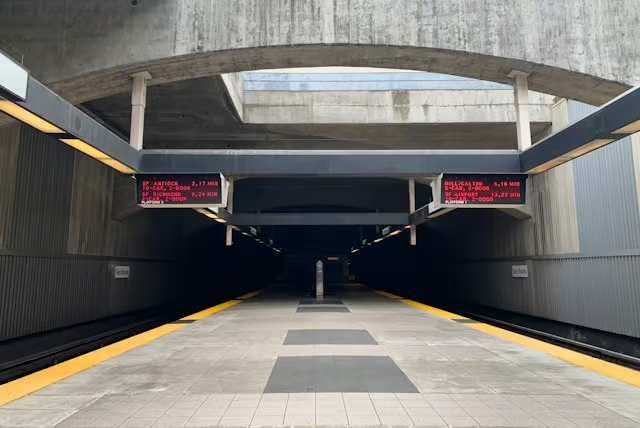
Berkeley residents have several ways to get around, including BART, AC Transit, biking, walking, and driving—but each option comes with different costs. This article explains how to compare fares, parking, gasoline, maintenance, and other transportation expenses so households can choose the option that fits both their commute and their budget.

Living in Berkeley provides access to jobs, education, public transportation, and community resources, but housing and everyday expenses can place substantial pressure on household budgets. A payday-based plan can help residents protect essential bills and make more informed financial decisions.

You do not need to spend hours managing your finances every week. A focused 10- to 15-minute money check-in can help you see what is coming, understand what is safe to spend, and make better decisions before the next payday.

A large checking-account balance does not necessarily mean the money is available to spend. Separating funds for bills from everyday spending can make it easier to protect rent, utilities, insurance, and other necessities.

How to Turn a Three-Paycheck Month Into Financial Progress If you are paid every two weeks, something interesting happens twice during many calendar years. Instead of receiving two paychecks during a month, you receive three. That does not mean the third paycheck is truly “free money.” You earned it through your regular work schedule. But if your monthly budget is…