


Summary
Cash Now California’s Ultimate Guide to an Affordable Halloween in 2026 helps families enjoy costumes, candy, decorations, pumpkins, parties, movies, trick-or-treating, and community events without allowing one holiday to overwhelm the household budget. The guide explains how to set a Halloween spending limit, reuse costumes and décor, create inexpensive traditions, control candy and party costs, find free local events, plan affordable activities for children and adults, and avoid carrying Halloween spending into November.
Halloween has become much bigger than one night of trick-or-treating.
For many families, October can now include pumpkin patches, costumes, school events, decorations, candy, haunted attractions, parties, fall festivals, themed food, movie nights, and multiple costume events before October 31 even arrives.
That can make Halloween fun.
It can also make Halloween surprisingly expensive.
The National Retail Federation expects U.S. consumers to spend approximately $13.5 billion on Halloween in 2026, with average planned spending of about $115.14 per person. About 74% of consumers say they plan to celebrate, and the most common activities include handing out candy, wearing costumes, decorating, carving pumpkins, and watching scary movies.
For a household of four, spending even close to that per-person average could mean hundreds of dollars.
And Halloween arrives immediately before an even more expensive part of the year.
Thanksgiving is approaching.
December holidays are approaching.
Winter utility bills may be approaching.
Travel may be approaching.
That makes October a good time to remember something simple:
Halloween should be fun in October without becoming a bill in November.
The good news is that many of the things people enjoy most about Halloween do not require much money at all.
Start with one Halloween number
Before buying anything else, decide what the entire household can comfortably spend.
Not the costume budget.
Not the candy budget.
The whole Halloween budget.
Maybe that number is $40.
Maybe it is $75.
Maybe it is $150.
The correct amount is the one that does not interfere with rent, mortgage payments, groceries, transportation, utilities, insurance, savings, debt payments, or other essential expenses.
Then divide that number among the activities your household actually cares about.
A family with young children might prioritize costumes and candy.
Teenagers might care more about a movie night or haunted activity.
Adults might prefer a party at home.
You do not have to participate in every Halloween tradition just because retailers are selling something for it.
Halloween 2026 gives families a useful advantage
Halloween falls on Saturday, October 31, 2026.
That can make the day easier for many families because school-night schedules may be less restrictive and some households may have more time for daytime activities before trick-or-treating.
It can also make it tempting to turn Halloween into an entire expensive weekend.
You may see opportunities for:
Pumpkin patches in the morning.
Lunch out.
Costume events in the afternoon.
Dinner.
Trick-or-treating.
A haunted attraction.
Treats afterward.
Nothing is wrong with doing several activities when they fit the budget.
But the least expensive strategy is usually choosing one paid activity and filling the rest of the day with free traditions.
Decide what your family actually remembers
Think about previous Halloweens.
Do your children remember how much their costumes cost?
Or do they remember running from house to house with friends?
Do they remember the expensive decorations?
Or carving pumpkins while watching a movie?
Do they remember the restaurant meal?
Or eating pizza on the floor while sorting candy?
The most memorable parts of holidays are often experiences rather than purchases.
That is useful information when money is tight.
Spend where it improves the experience.
Skip what is being purchased mainly because it feels expected.
Affordable Halloween costumes can still be great costumes

Photo by Рома Морозов on Unsplash
Costumes are one of the biggest Halloween spending categories.
NRF expects costume spending alone to reach about $4.4 billion in 2026.
But a good costume does not need to come from a complete packaged set.
In fact, NRF’s 2026 research suggests reuse has become an important money-saving strategy. More than half of consumers surveyed said they reuse at least about half of their costume items, and families with children were especially likely to repurpose costumes or costume pieces from previous years.
That creates several inexpensive possibilities.
Start in the closet.
Jeans, black clothing, dresses, jackets, hats, sports uniforms, work shirts, scarves, boots, sunglasses, old formalwear, pajamas, and accessories can become the base of a costume.
Then add one or two inexpensive details instead of buying the entire outfit.
A black outfit may become a cat, witch, vampire, magician, ninja, or spy.
An old white shirt and tie can become an office character.
A sports jersey can become an athlete.
Overalls and a flannel shirt can become a farmer or scarecrow.
A suit jacket, sunglasses, hat, or wig can completely change an outfit.
Creativity is often cheaper than completeness.
Shop your family’s old costumes before buying new ones
Before going to a store, gather everything Halloween-related in one place.
You may discover:
A cape from three years ago.
A witch hat.
Face paint.
Animal ears.
A superhero mask.
A child’s old costume that now fits a younger sibling.
A costume that can be changed with different accessories.
Combining pieces from several years can create something that feels completely new.
Consider costume swaps
Families with children often have perfectly usable costumes that no longer fit.
Instead of buying another one, swap with:
Friends.
Neighbors.
Cousins.
School families.
Parent groups.
Community organizations.
One family’s too-small dinosaur may be another family’s perfect costume.
Thrift stores can help—but set a limit
Thrift shopping can produce creative costumes, but it is still possible to overspend.
Go in with an idea and a maximum amount.
Otherwise, a $15 costume plan can quickly become a $45 basket of pieces that seemed inexpensive individually.
DIY should save money, not become a craft project that costs more
Homemade costumes can be inexpensive.
They can also become surprisingly costly when they require specialty fabric, craft supplies, paint, glue, accessories, and hours of work.
Before starting a DIY costume, estimate the complete cost.
If creating the $20 costume requires $48 in supplies, it is no longer the budget choice.
Use what you already have first.
Make costume safety part of the plan
Saving money should not mean ignoring safety.
The FDA recommends using costumes that are flame resistant, improving nighttime visibility with bright or reflective elements, and making sure outfits are not so long that they create a tripping hazard. Masks should not block vision. The FDA also warns against using decorative contact lenses without proper professional fitting and instructions.
A flashlight or reflective tape can be inexpensive additions that make reused costumes safer for nighttime trick-or-treating.
Candy can become one of the easiest places to overspend
Halloween candy rarely looks expensive when you buy one bag.
Then another bag goes into the cart.
Then another.
Then you worry there will not be enough.
Suddenly the household has spent far more than planned.
Estimate how many trick-or-treaters you realistically expect.
If your neighborhood usually receives 40 children, you probably do not need candy for 250.
If your neighborhood receives hundreds, set a spending limit before shopping.
It is also completely acceptable to stop handing out candy when it is gone.
A household does not need to create financial stress because more trick-or-treaters appeared than expected.
Compare cost per piece, not just bag price
Large packaging can make one product look like a better deal.
Check how many individually wrapped pieces are actually inside.
Then compare.
The cheapest bag is not always the cheapest candy per trick-or-treater.
Hand out one or two pieces instead of handfuls
Children may visit dozens of houses.
You do not have to provide a large serving at every door.
One or two pieces can stretch the candy budget considerably.
Avoid buying candy too early if you know it will disappear
Buying on sale is only a bargain if you still have the candy on Halloween.
If your household typically eats the first supply and then buys another, shopping too early can double the cost.
Buy early only when your household can realistically set it aside.
Trick-or-treating remains one of the best free Halloween activities

Photo by Haley Phelps on Unsplash
Neighborhood trick-or-treating offers something increasingly rare:
A major holiday activity that can still be nearly free.
Once the costume is handled, families can walk through their neighborhood, visit decorated homes, see friends, and collect treats without paying admission.
You do not need a premium Halloween attraction for children to feel like they celebrated Halloween.
For many kids, trick-or-treating is the main event.
Plan the route before leaving
Choosing a walkable route can reduce unnecessary driving.
Families may also want to start before it becomes extremely dark, especially with younger children.
NHTSA advises drivers to expect additional pedestrians on Halloween, slow down, and watch carefully for children who may enter the roadway unexpectedly. Pedestrians should use crossings where available and follow road signs and signals.
An inexpensive holiday should still be a safe one.
Look for free community Halloween events
Before paying for admission somewhere, search for Halloween events offered by:
City recreation departments.
Libraries.
Schools.
Churches.
Downtown associations.
Community centers.
Police and fire departments.
Shopping districts.
Parks.
Neighborhood organizations.
California State Parks also hosts seasonal events in some locations. For example, Columbia State Historic Park has a free Boo Boulevard event scheduled for October 24, 2026, with trick-or-treating, crafts, a parade, performances, and a costume contest.
That is just one example of the type of free event families can look for statewide.
Because event schedules change, confirm dates, parking, reservation requirements, and admission information directly with the organizer.
Do not assume the pumpkin patch has to be the main event
Pumpkin patches can be fun.
But many have evolved into full fall entertainment destinations with rides, food, games, attractions, parking fees, and photo opportunities.
A family may intend to buy one pumpkin and leave having spent $80 or $150.
Before going, decide what the outing is.
If the goal is simply choosing a pumpkin, a grocery store or local produce market may offer a less expensive option.
If the goal is the full pumpkin-patch experience, treat it as the household’s paid Halloween activity and set a maximum before arriving.
One pumpkin can still create a full evening
You do not need one giant pumpkin for every person.
Families can share.
Choose one or two.
Carve together.
Toast pumpkin seeds.
Take photographs.
Watch a Halloween movie afterward.
The experience can last several hours without requiring a large purchase.
Decorations are one of the easiest categories to reuse
NRF’s 2026 survey found that 73% of consumers said they repurpose at least about half of their Halloween décor, showing that reuse is already normal.
Halloween decorations do not need to change every year.
In fact, children may enjoy seeing the same decorations return.
That plastic skeleton becomes part of the family’s tradition.
The old pumpkin bucket comes back.
The homemade ghosts return to the tree.
Traditions can be financially useful.
Decorate one area instead of the entire property
Choose the front door.
Porch.
Entryway.
Dining table.
One window.
A concentrated display usually looks more intentional than spreading inexpensive decorations everywhere.
Use household items
Old sheets can become ghosts.
Cardboard boxes can become tombstones.
Construction paper can become bats.
Jars can become lantern-style decorations using safe battery-operated lights.
Branches can become part of a spooky centerpiece.
The goal is atmosphere, not inventory.
Consider a no-new-decorations challenge
Before buying anything, decorate entirely with what you already own.
Then ask:
Does anything actually feel missing?
Often, nothing does.
Retail displays create a sense that every holiday needs new décor.
Your home does not.
Halloween movie night can replace a more expensive outing
A Halloween movie night is one of the easiest low-cost celebrations.
Use a movie or streaming service you already have access to.
Make popcorn.
Turn off the lights.
Use existing decorations.
Wear costumes or pajamas.
Let children create admission tickets.
You can build an entire themed evening for very little money.
For families with different ages, choose movies appropriately and let each person select one title for a Halloween weekend marathon.
Create a Halloween dinner tradition
Holiday-themed food does not need to mean expensive restaurant meals.
Take something the household would normally eat and make it feel seasonal.
Pizza can become the annual Halloween dinner.
Hot dogs can become “mummy dogs.”
Pancakes can become pumpkin or ghost shapes.
Sandwiches can be cut into Halloween shapes.
Or simply rename ordinary dinner.
Children often enjoy the joke more than the recipe.
A $12 family meal made playful at home may be more memorable than a much more expensive restaurant outing.
Host a potluck instead of paying for everyone’s party food
Halloween parties can become expensive because the host feels responsible for everything.
Instead, make it a potluck.
One household brings drinks.
Another brings chips.
Another brings dessert.
Another brings a main dish.
The host provides the location and perhaps one central food item.
This distributes both spending and preparation.
Keep party activities simple
You do not need to rent entertainment.
Halloween party activities can include charades, costume contests, scavenger hunts, pumpkin decorating, music, trivia, movie watching, storytelling, or a candy guessing game.
A homemade scavenger hunt costs almost nothing and can entertain children longer than many purchased party activities.
Have a costume contest without expensive prizes
Categories can include:
Funniest.
Most creative.
Best homemade.
Best group costume.
Spookiest.
Best use of household items.
Prizes can be symbolic.
Winner picks the movie.
Winner gets first dessert.
Winner chooses next year’s theme.
Not every game needs merchandise attached to it.
Make Halloween fun for teenagers without spending heavily
Teenagers may be less interested in traditional trick-or-treating but still want to do something.
An affordable teen Halloween can include a backyard movie, horror-film marathon, costume photo challenge, baking night, scavenger hunt, game night, spooky storytelling, decorating contest, or small gathering with friends.
Parents can provide pizza, popcorn, drinks, and a safe place to spend the evening for considerably less than paying for several commercial attractions.
Adults can celebrate inexpensively too
Halloween is not only a children’s holiday.
Adults can host a themed dinner at home, organize a costume potluck, watch classic horror movies, visit friends, carve pumpkins, decorate, or create a neighborhood porch gathering.
If attending a party where alcohol is served, transportation planning should be part of the budget.
NHTSA recommends arranging a designated driver, taxi, ride-hailing service, or other safe transportation before drinking.
A rideshare may cost money.
A crash costs much more.
Include safe transportation in the party budget rather than treating it as an afterthought.
Do not let Halloween spending hide inside grocery spending
Holiday food can disappear into the regular grocery bill.
Candy.
Cupcakes.
Pumpkins.
Party snacks.
Special drinks.
Baking supplies.
Pizza.
Those purchases still count.
Create a Halloween category rather than pretending they are ordinary groceries.
That makes it easier to understand the real holiday cost.
Use a cash-style spending limit
You do not necessarily have to use physical cash.
The concept is what matters.
Suppose the Halloween budget is $100.
Track every Halloween purchase against that $100.
Costume: $25.
Candy: $22.
Pumpkins: $15.
Movie-night food: $12.
Community event: free.
Remaining budget: $26.
Now you know what is available.
Without tracking, several small purchases can quietly push the holiday to $150 or $200.
Watch the “it’s only $10” problem
Halloween is full of inexpensive-looking purchases.
$9 decoration.
$12 makeup.
$8 pumpkin.
$14 candy.
$10 school event.
$18 costume accessory.
$11 themed food.
Individually, none looks serious.
Together, they are $82.
The household budget experiences the total, not the individual price tags.
Avoid using buy now, pay later for Halloween purchases
A Halloween costume may be worn for a few hours.
Decorations may sit in storage for most of the year.
Candy disappears within days.
Those purchases generally should not create payments stretching into November or December.
Before financing discretionary Halloween spending, remember what comes next.
Thanksgiving.
Holiday gifts.
Travel.
Winter expenses.
Beginning November with payments for October entertainment makes the next holiday harder.
If the Halloween budget has been spent, consider that a signal to stop rather than a reason to borrow more.
Do not borrow for amusement or entertainment
Haunted houses, theme parks, elaborate costumes, parties, and seasonal attractions can be enjoyable.
They are also optional entertainment expenses.
Cash Now California does not recommend taking on short-term debt to pay for Halloween tickets, costumes, decorations, or other discretionary celebrations.
If a paid attraction does not fit this year’s budget, replace it with a free or low-cost tradition.
There will be another Halloween.
Make last-minute Halloween cheaper, not more expensive
Last-minute shopping creates urgency.
Urgency can lead to poor spending decisions.
If Halloween is only days away and nothing has been purchased, simplify.
Use clothes already at home.
Attend a free event.
Buy one pumpkin.
Set a small candy limit.
Watch movies already available.
Choose one special food.
A late start does not mean you need to recreate an entire month’s worth of Halloween activities in three days.
Try the $25 Halloween challenge
A family could challenge itself to enjoy Halloween using only $25 in new spending.
For example:
A few costume accessories.
One pumpkin.
A modest amount of candy.
Everything else comes from what the household already has.
The challenge itself can make saving money fun.
Older children can help decide how the $25 is used.
That creates a practical budgeting lesson without turning the holiday into a lecture about money.
Or build a $50 family Halloween
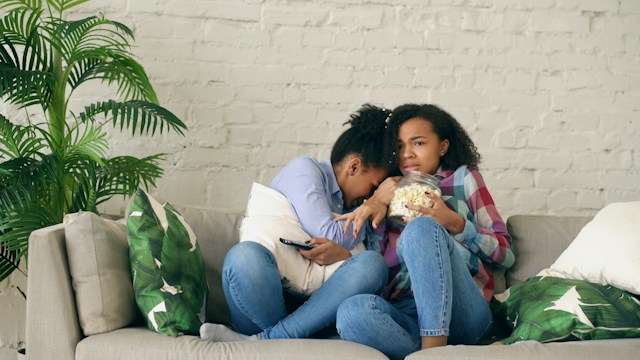
Photo by Vitaly Gariev on Unsplash
With careful planning, $50 might cover several pieces of the holiday.
Perhaps:
Costume supplies or thrifted accessories.
Pumpkins.
Candy.
Movie-night snacks.
The exact mix will vary.
The important part is choosing priorities before spending begins.
Families with several children should reuse strategically
Multiple costumes can become one of the largest expenses.
Create a costume box.
Save items that remain usable:
Capes.
Hats.
Masks.
Accessories.
Costume jewelry.
Face-paint supplies that remain safe and within their recommended use period.
Dress-up clothing.
Over time, the household may build enough pieces to create new costumes without starting from zero every October.
Let children participate in the budget
You do not need to tell a young child every detail of household finances.
But older children can understand choices.
You might say:
“We have $40 for your costume. Would you rather buy this $38 costume, or use clothes we already have and spend $15 on accessories?”
That gives the child some control while preserving the boundary.
It can also reduce disappointment at the store because the limit was discussed beforehand.
Create traditions that get cheaper every year
The best budget-friendly traditions are reusable.
Annual Halloween movie night.
Neighborhood walk.
Same family chili recipe.
Costume swap.
Homemade decorations.
Photo in the same place each year.
Pumpkin-carving contest.
Flashlight walk.
Storytelling night.
These activities become more meaningful because they repeat—not because they become more expensive.
Be thoughtful about candy safety
The FDA recommends that children wait until treats have been inspected at home before eating them. Parents should check commercially wrapped treats for signs of tampering, pay attention to allergen labels, and remove choking hazards for very young children.
That review is also a useful opportunity to sort candy.
Children can choose favorites.
Extra candy can be shared appropriately, saved for later, or handled according to family preferences.
Halloween does not have to become a one-night sugar competition.
Compare events by cost per hour of enjoyment
Suppose a commercial Halloween attraction costs a family $120 and lasts 90 minutes.
Another activity costs $20 and becomes a four-hour family evening.
Cost alone does not determine value.
But thinking about the amount of enjoyment received for the money can help prioritize.
Ask:
Will we remember this?
Will everyone enjoy it?
Is there a less expensive way to get a similar experience?
Those three questions can eliminate a surprising amount of unnecessary holiday spending.
Look for free fun before shopping for paid fun
Before purchasing tickets, check what is already happening around you.
Search local government calendars.
Libraries.
Parks.
Schools.
Downtown districts.
Community centers.
Neighborhood groups.
Some of the best Halloween experiences are designed specifically to give families a safe community activity at little or no cost.
Free does not mean second-rate.
A costume parade, trunk-or-treat, library craft afternoon, downtown trick-or-treat event, or neighborhood celebration may be exactly what children remember.
Protect November before celebrating October
One of the most important Halloween budgeting questions is not:
Can I pay for this today?
It is:
Will I still be comfortable after paying for this?
Before spending the remaining Halloween budget, look at what comes due between now and the next two paychecks.
Rent or mortgage.
Utilities.
Car payment.
Insurance.
Groceries.
Gasoline.
Childcare.
Existing debt payments.
Then consider November expenses.
If Halloween spending would make those bills harder, reduce the Halloween plan.
That is not cancelling the holiday.
It is protecting the household.
The affordable Halloween checklist
Before Halloween weekend, make one quick review:
- Set one total spending limit; reuse costumes and decorations before buying new ones; choose free community events before paid attractions; compare the true cost of pumpkins, candy, and party food; keep costumes visible and safe for nighttime activities; plan transportation before adult parties; avoid financing discretionary Halloween purchases; and make sure November housing, groceries, transportation, utilities, and other essentials remain fully covered.
Halloween does not need to be expensive to feel special
The retail side of Halloween keeps growing.
Consumers are expected to spend billions again in 2026, and nearly half began shopping in September or earlier.
But your household does not have to compete with national spending averages.
You do not need the biggest yard display.
The newest costume.
The largest candy bowl.
The most elaborate pumpkin patch.
The expensive haunted attraction.
Children can remember walking through the neighborhood with friends.
Families can remember carving one pumpkin together.
Teenagers can remember a crowded living room and scary movies.
Adults can remember a costume potluck with friends.
Those experiences can happen at almost any budget.
A good Halloween budget is not about removing the fun.
It is about deciding what creates the fun and spending on that.
Use what you already own.
Reuse what worked last year.
Look for free community events.
Choose one or two traditions that matter most.
Set the spending limit before Halloween weekend begins.
And protect the household expenses waiting on the other side of October 31.