

Summary
Lancaster commuters may travel locally within the Antelope Valley or much farther into Los Angeles County for employment. This guide explains how to calculate the true cost of driving, compare AVTA and Metrolink options, account for vehicle repairs and lost time, use carpooling strategically, and decide whether a higher-paying job with a longer commute actually improves household finances.
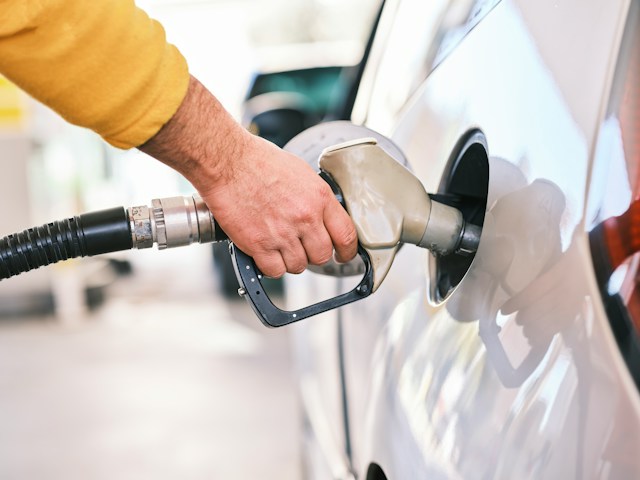
Photo by engin akyurt on Unsplash
Lancaster residents have access to jobs throughout the Antelope Valley and the wider Los Angeles region.
That opportunity can come with a cost:
distance.
A job may offer a better hourly wage but require a longer drive.
A cheaper home may involve more gasoline.
A family may need two vehicles because adults work in different directions.
A worker may spend hours every week traveling between Lancaster and another part of Los Angeles County.
Transportation should therefore be treated as one of the household’s major financial categories.
Your commute costs more than gasoline
Ask someone what commuting costs and the first answer is usually gas.
That makes sense because gasoline is visible.
You pay for it every week.
But a vehicle requires much more.
The true transportation budget can include:
- Car payment
- Gasoline
- Insurance
- Registration
- Oil changes
- Tires
- Brakes
- Battery
- Repairs
- Parking
- Tolls
- Depreciation
- Replacement
A household that spends $300 a month at gas stations is not necessarily spending only $300 a month on transportation.
Calculate annual vehicle costs
One useful approach is to add annual expenses.
Suppose a vehicle has:
- $3,600 annual gasoline
- $2,100 annual insurance
- $500 registration
- $1,200 maintenance and repairs
- $600 tires and other irregular costs
That totals:
$8,000 per year
Divide by 12:
about $667 per month
And that example does not include a car payment or depreciation.
Your numbers will differ.
The point is to reveal the true cost.
Mileage changes vehicle expenses too
A long commute affects more than the fuel tank.
More miles can mean:
- Faster tire replacement
- More oil changes
- More brake wear
- Higher repair frequency
- Faster depreciation
Someone choosing between two jobs should therefore compare more than hourly wages.
Compare jobs based on commute-adjusted income
Imagine two positions.
Job A
Pays $24 per hour.
Commute is close to home.
Job B
Pays $27 per hour.
Commute is significantly longer.
At first, Job B looks obviously better.
But calculate:
- Extra gas
- Extra maintenance
- Parking
- Possible tolls
- Extra childcare
- Commute time
The additional $3 per hour may shrink substantially.
A higher wage does not always produce a higher household benefit.
Put a value on commute time
Time is harder to measure because no bill arrives for it.
But commute time affects:
- Childcare
- Family responsibilities
- Sleep
- Meal preparation
- Ability to work a second job
- Personal time
If a new job adds 90 minutes of commuting per day, that equals:
7.5 additional hours per five-day workweek.
Over four weeks:
30 hours
The household should decide whether the additional income justifies that time.
AVTA provides local Lancaster transportation
The Antelope Valley Transit Authority operates local routes throughout Lancaster, Palmdale, Quartz Hill, Lake Los Angeles, Antelope Valley College, and surrounding communities.
Current Lancaster-related routes include service such as:
- Lancaster/Palmdale
- Eastside Lancaster
- Quartz Hill
- Antelope Valley College
- East/West Lancaster
- Lake Los Angeles/Lancaster
AVTA’s current system also includes commuter routes toward other parts of Los Angeles County.
Current AVTA local fares
As of September 2026, AVTA lists full local fares of:
- $1.50 one way
- $2 four-hour pass
- $5 day pass
- $15 weekly pass
- $50 31-day pass
Reduced fares are available to qualifying riders. AVTA also currently states that eligible seniors and veterans can ride local transit free with appropriate qualification.
For someone whose job is well served by local transit, $50 for a full-fare monthly local pass can be dramatically different from the cost of operating a car.
But cost is not the only question.
Check the schedule before assuming transit works
Public transportation must match:
- Shift start time
- Shift end time
- Weekend schedule
- Transfer timing
- Workplace location
Someone taking an evening or night shift should check the trip home before accepting the job.
A bus may work perfectly at 8 a.m. and not at midnight.
This is particularly important for Lancaster residents considering work farther away.
Lancaster has regional commuter options
AVTA currently operates commuter services including routes toward:
- Downtown Los Angeles
- West Los Angeles/Century City
- West San Fernando Valley
- Newhall Metrolink
Its current system map lists Routes 785, 786, 787, and 790 for those regional connections.
AVTA’s current published information lists Route 787 West San Fernando Valley one-way full fare at $8.75 and a full-fare monthly pass of $280. Route 790 currently lists a $5 one-way full fare.
These prices and schedules can change, so commuters should confirm the latest information before planning around them.
Metrolink provides another regional option
Lancaster is the northern end of Metrolink’s Antelope Valley Line.
Current 2026 Metrolink schedules show weekday trains between Lancaster and Los Angeles Union Station, with intermediate stops serving communities such as Palmdale, Santa Clarita, Newhall, Burbank, and Glendale.
This can create different commuting strategies:
- Metrolink for the entire regional trip
- Driving to Lancaster station
- AVTA connection to Metrolink
- Carpooling to the station
- Transit plus an occasional rideshare
The right combination depends on the job location and schedule.
Compare the whole transit trip
Do not compare:
gasoline vs. train ticket
Compare:
Driving
- Gas
- Maintenance
- Insurance
- Parking
- Tolls
- Vehicle wear
- Time
against:
Transit
- Bus fare
- Train fare
- Station access
- Parking where applicable
- Transfer time
- Travel time
- Occasional rideshare
- Schedule flexibility
Only then can the household see which option is financially better.
Consider a hybrid commute
The best answer does not need to be “car” or “transit.”
A worker might:
- Drive three days
- Take Metrolink two days
Another might:
- Drive to Lancaster station
- Use Metrolink for the longest portion
Someone else might use AVTA for work but keep the car for childcare and weekend responsibilities.
Hybrid commuting can reduce mileage without eliminating flexibility.
Carpooling can reduce variable costs
A reliable carpool may allow commuters to share:
- Gas
- Parking
- Tolls
It may also reduce wear on one vehicle if driving responsibilities rotate.
Make expectations clear.
Decide:
- Who drives?
- How are expenses divided?
- What happens when someone is sick?
- How long will the driver wait?
- What happens with overtime?
A carpool works best when everyone understands the arrangement.
Rideshare can help—but watch the monthly total
Uber or Lyft may be useful when:
- The car is being repaired
- Transit ends before a shift
- A worker needs to reach Metrolink
- An emergency transportation problem occurs
But daily rideshare can become expensive quickly.
Convert each ride into weekly and monthly costs.
A $25 trip twice each workday becomes:
$50 per day
$250 per five-day week
$1,000 over four weeks
One ride may feel affordable.
Repeated rides deserve their own budget.
Build a transportation sinking fund
Vehicle expenses should not all become emergencies.
Set aside money for:
- Registration
- Tires
- Repairs
- Maintenance
Even a small amount from each paycheck can help.
A worker might begin with:
$15 per paycheck
Then increase the amount when possible.
The first targets could be:
- $100
- $250
- $500
A transportation reserve is particularly valuable when losing a vehicle means losing the ability to work.
Do not delay every repair
It may seem financially responsible to postpone maintenance.
Sometimes it is.
Other times, a small issue becomes a large repair.
Ask a trusted repair professional:
- Is this urgent?
- Is the car safe?
- What happens if I wait?
- Is there a lower-cost repair?
- Can the repair be completed in stages?
Understanding urgency can help prioritize the budget.
Transportation is part of housing affordability
A cheaper home farther from employment is not automatically cheaper overall.
Suppose moving saves:
$400 per month in rent
But creates:
- $220 more gasoline
- $80 more maintenance
- $100 additional childcare because of commute time
- Additional vehicle depreciation
Most of the apparent housing savings may disappear.
This is why housing and transportation should be evaluated together.
Look for jobs closer to home too
When commuting costs become excessive, another solution may be employment closer to Lancaster.
A nearby job with a slightly lower wage can sometimes produce a similar or better household result after transportation.
Compare:
Take-home pay minus commute costs
instead of salary alone.
Cash Now California’s employment series can help readers explore jobs near public transportation, weekend work, jobs requiring limited experience, and careers that do not require a four-year degree.
Protect transportation before optional spending
When money gets tight, commuting costs may need priority because they protect income.
Essential transportation might include:
- Gas to work
- AVTA fare
- Metrolink
- Insurance
- Necessary repairs
An optional shopping purchase can wait.
Getting to work often cannot.
When transportation creates an unexpected financial gap
Even careful planning cannot prevent every car problem.
If a repair is necessary to protect employment:
- Determine what must be repaired now.
- Request written estimates.
- Ask whether payment arrangements exist.
- Check emergency savings.
- Consider temporary transit.
- Compare any financing based on total repayment.
- Make sure repayment fits the next paycheck.
Do not automatically borrow the maximum available.
Borrowing more does not make the repair cheaper.
Your commute should support your income—not consume it
Lancaster households may need to travel significant distances for employment.
That makes transportation planning an essential part of financial planning.
Calculate the real cost of driving.
Compare AVTA and Metrolink.
Consider time.
Explore carpooling.
Build a repair fund.
And compare jobs based on what the household keeps after commuting—not simply the wage printed in the job posting.
Approval is not guaranteed.
Review the full cost and repayment schedule carefully before accepting any offer.