

Summary
Healthy money habits can make household finances more predictable, even when income is limited or expenses change from month to month. This guide explains how to plan each paycheck, track upcoming bills, control unplanned purchases, manage groceries, prepare for irregular expenses and build savings through small, repeatable actions.
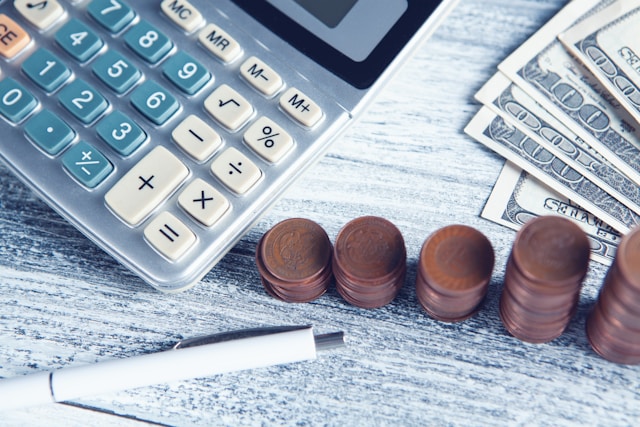
Photo by Sasun Bughdaryan on Unsplash
Healthy budgeting habits and paycheck management
Most people understand the basic idea of budgeting: spend less than you earn and save what you can.
Putting that idea into practice is more difficult.
Work schedules change. Children need unexpected supplies. Grocery prices rise. Cars require repairs. Automatic payments leave the account. A stressful day can lead to an unplanned restaurant order or online purchase.
A household may create a detailed budget at the beginning of the month and stop following it a week later.
That does not necessarily mean the family is irresponsible or incapable of managing money. It may mean the financial plan depends too heavily on motivation and not enough on consistent habits.
A written budget remains important. Consumer.gov explains that a budget shows how much money comes in, how it is being spent and where changes may be possible. The agency also recommends reviewing actual spending and using that information to improve the next budget.
The strongest budget is not simply a document. It is a collection of routines that help the household follow the plan.
Habit 1: Plan the paycheck before it arrives
A paycheck often disappears quickly when the household begins spending without first deciding what the money must cover.
Before payday, write down:
- The expected take-home amount
- Bills due before the following payday
- Automatic withdrawals
- Grocery needs
- Gas or transit costs
- School or childcare expenses
- Medication and healthcare needs
- Money for savings
- A limited amount for flexible spending
Give each dollar a purpose before the deposit reaches the account.
This does not mean the plan will never change. It means essential expenses are considered before optional purchases begin.
A useful priority order is:
- Housing
- Basic utilities
- Food
- Medication and necessary healthcare
- Transportation required for work
- Required insurance
- Necessary childcare
- Other bills
- Savings
- Flexible spending
The order may differ by household. Internet service, for example, may be essential for a remote worker or student.
The habit is deciding what matters before the money is available.
Habit 2: Use a bill calendar
Many households do not run short because the total monthly income is inadequate. They run short because several major bills are concentrated around one paycheck.
A bill calendar shows:
- What is owed
- The amount due
- The payment date
- The paycheck expected to cover it
- Whether the payment is automatic
The Consumer Financial Protection Bureau recommends gathering monthly bills, recording their amounts and due dates, and checking the calendar every week. This can reveal when the timing of income and bills is creating pressure.
Keep the calendar where it will actually be reviewed. It can be:
- On the refrigerator
- In a notebook
- In a phone calendar
- In a spreadsheet
- In a shared household budgeting app
Review it before every payday and at least once during the week.
Where possible, contact service providers to ask whether due dates can be changed. Moving one or two large payments may make the same income easier to manage.
Habit 3: Know the difference between the account balance and safe-to-spend money
A checking account may show a balance of $600, but that does not mean the household can safely spend $600.
Suppose the following payments are still pending:
- $150 insurance payment
- $80 utility bill
- $60 installment payment
- $200 reserved for groceries
- $50 needed for transportation
The safe-to-spend amount is only $60.
Before making a purchase, subtract:
Pending transactions + bills due before payday + essential spending still needed
What remains is the actual amount available for optional spending.
This habit can prevent families from accidentally using money that has already been assigned to another purpose.
Habit 4: Hold a weekly money check-in
A budget should not be created once and ignored until the following month.
Set aside 10 to 15 minutes each week to review:
- Current account balances
- Pending transactions
- Bills due during the next seven days
- Grocery money remaining
- Gas or transit needs
- Upcoming automatic payments
- Unplanned expenses
- Savings progress
The CFPB recommends tracking income and spending to create a realistic picture of where money is going. It suggests beginning with one week of receipts or account activity when tracking an entire month feels overwhelming.
The weekly check-in does not need to become a long family meeting.
Ask three questions:
- What must be paid before the next check-in?
- How much is safe to spend?
- Does anything need to change this week?
Catching a problem on Monday provides more options than discovering it the night before a bill is due.
Habit 5: Track small purchases
Large expenses are usually easy to remember. Small purchases are more likely to disappear unnoticed.
Examples include:
- Coffee
- Snacks
- Convenience-store purchases
- Delivery charges
- Mobile-app purchases
- Extra grocery stops
- Small children’s requests
- Rideshare trips
- Online impulse purchases
A $7 expense may not change the budget. Repeating it several times each week can.
Track spending for at least two weeks without judging every purchase. The purpose is to find patterns.
The household may discover that the real problem is not one major expense but several repeated habits.
After identifying the pattern, choose one specific adjustment. For example:
- Bring lunch three days per week.
- Use pickup instead of delivery.
- Limit convenience-store visits.
- Carry a refillable water bottle.
- Establish one planned restaurant night.
- Remove saved payment information from shopping apps.
Small changes are easier to maintain when they target a clear pattern.
Habit 6: Use a waiting period for unplanned purchases
Impulse purchases often feel urgent because the decision is being made in the moment.
Create a household waiting rule, such as:
- Wait 24 hours before an unplanned purchase over $25.
- Wait three days before an unplanned purchase over $100.
- Leave an online item in the cart overnight.
- Review the safe-to-spend amount before purchasing.
- Ask whether the item was needed before seeing the sale.
A waiting period does not prohibit the purchase. It gives the household time to decide whether the item fits the budget and remains worthwhile after the initial excitement passes.
Sales can create pressure by suggesting that waiting means losing money. Buying an unnecessary item at a discount still increases spending.
Habit 7: Keep some flexible spending money
A budget that leaves no room for enjoyment can be difficult to maintain.
Create a defined category for:
- Coffee
- Takeout
- Entertainment
- Personal purchases
- Children’s extras
- Hobbies
The amount may be small when the budget is tight. The important part is setting the limit in advance.
Once the flexible category is empty, additional optional spending waits until the next budget period.
This habit allows the household to enjoy some purchases without taking money from rent, groceries or transportation.
Habit 8: Separate bill money from everyday spending
When all money remains in one account, it can be difficult to know what is truly available.
Some households benefit from separate accounts or clearly labeled categories:
- Bills
- Everyday spending
- Emergency savings
- Seasonal expenses
- Personal spending
For example, part of each paycheck could be transferred to a bills account immediately. The remaining amount becomes available for groceries, transportation and flexible spending.
Separate accounts are not required. Envelopes, spreadsheet categories or budgeting-app labels can serve the same purpose.
The goal is to make money intended for essential bills more difficult to spend accidentally.
Before opening additional accounts, check for minimum balances, monthly fees and transfer restrictions.
Habit 9: Save when the paycheck arrives
Many households plan to save whatever remains before the next payday.
Often, nothing remains.
Treat a small savings contribution as one of the planned paycheck expenses.
The amount may begin at:
- $5 per paycheck
- $10 per paycheck
- $20 per paycheck
- A small percentage of income
Consumer.gov notes that savings can be included directly as an expense in the household budget.
Automatic transfers can help move money before it is spent. The CFPB also identifies automatic transfers as one way to put money aside consistently, particularly for people who tend to spend most of a paycheck before the next payday.
Start with achievable goals:
- $100 checking cushion
- $250 emergency fund
- $500 emergency fund
- One week of essential expenses
- One month of essential expenses
Consistency is more important than beginning with a large amount.
Habit 10: Build sinking funds for predictable costs
Many expenses described as emergencies are actually predictable.
They do not occur every month, but the household knows they will eventually arrive.
Examples include:
- Vehicle registration
- Car maintenance
- School shopping
- Birthdays
- Holidays
- Summer childcare
- Annual subscriptions
- Medical copays
- Insurance renewals
- Family travel
A sinking fund saves a small amount from each paycheck toward a known future expense.
Suppose a family expects to spend $480 on vehicle registration and related costs in eight months. Saving $30 from each of 16 biweekly paychecks would prepare the full amount.
The expense is no longer a surprise because the household gradually funded it.
Keep each sinking fund clearly labeled so the money is not mistaken for general savings.
Habit 11: Create dependable grocery routines
Grocery budgeting is easier when the household repeats a simple process.
Before shopping:
- Check the refrigerator, freezer and pantry.
- Identify food that should be used soon.
- Choose several dependable meals.
- Make a list.
- Review the grocery budget.
- Reserve money for a midweek refill.
Useful habits include:
- Comparing unit prices
- Using flexible ingredients
- Planning leftovers
- Keeping simple backup meals
- Limiting delivery orders
- Separating household supplies from food costs
- Avoiding shopping while hungry
- Reviewing what was thrown away
A realistic food plan is better than an extremely strict one that fails after two days.
Include quick meals for evenings when the household is busy or tired. A simple freezer or pantry dinner may prevent a much more expensive delivery order.
Habit 12: Review subscriptions every month
Recurring charges can remain active long after the household stops using them.
Once per month, review:
- Streaming services
- Mobile apps
- Cloud storage
- Gym memberships
- Subscription boxes
- Software
- Gaming services
- Premium delivery memberships
- Recurring donations
Ask:
- Did we use this during the last month?
- Would we purchase it again today?
- Is there a less expensive plan?
- Can it be paused?
- Are two services providing similar benefits?
- When does the next renewal occur?
Canceling several low-value subscriptions can create room for groceries, savings or transportation without changing the household’s essential lifestyle.
Habit 13: Limit commitments against future paychecks
Buy now, pay later plans, advance repayments and recurring subscriptions all use money that has not been earned or deposited yet.
Before accepting a new payment obligation, ask:
How much of my next paycheck is already committed?
Record every future payment in the bill calendar.
Include:
- Payment amount
- Due date
- Number of payments remaining
- Which paycheck must cover it
A $30 installment may appear affordable. Five separate $30 installments create a $150 obligation.
Healthy money habits protect future income from becoming overcrowded.
Habit 14: Create rules for common financial situations
Prewritten rules reduce the number of decisions required during stressful moments.
Examples include:
- When the checking account falls below $200, pause optional spending.
- When income is smaller than expected, switch to an essentials-only budget.
- When an installment plan ends, transfer that amount to savings.
- When extra income arrives, divide it among current needs, savings and debt.
- When an unexpected bill arrives, contact the provider before borrowing.
- When considering a large purchase, wait three days.
- When grocery spending reaches the weekly limit, use available pantry meals.
These rules can be adjusted to match the household.
The purpose is to decide calmly in advance rather than reacting under pressure.
Habit 15: Build an emergency fund gradually
Emergency savings can help with expenses such as a vehicle repair, medical bill, appliance problem or income interruption.
The CFPB describes emergency savings as money set aside for unplanned expenses rather than normal monthly spending. It recommends beginning with an amount that is realistic for the household and using reminders or automatic tools to support the habit.
Do not delay saving because a large goal feels impossible.
Begin with:
- $5 this week
- $25 this month
- The money from one canceled subscription
- Part of a tax refund
- A portion of overtime or bonus income
- The amount from an installment payment after it ends
A small emergency fund may not cover every financial shock, but it can reduce the amount that must be found immediately.
Habit 16: Review mistakes without abandoning the budget
No household follows its budget perfectly.
An unexpected expense may appear. A grocery trip may cost more than planned. The family may spend too much during a stressful weekend.
One mistake does not make the entire budget useless.
Instead, ask:
- What happened?
- Was the spending planned?
- Was the budget amount unrealistic?
- Did we forget an upcoming bill?
- Was the purchase emotional?
- Could another habit have prevented it?
- What should change before the next payday?
Then return to the plan.
The healthiest budgeting habit may be restarting quickly rather than waiting for the next month or year.
Make one change at a time
Trying to change every financial habit at once can become overwhelming.
Choose one habit to practice for two weeks.
A useful starting sequence might be:
Weeks one and two
Review the account and bill calendar every Friday.
Weeks three and four
Plan the next paycheck before it arrives.
Month two
Track small purchases and create a flexible spending limit.
Month three
Begin a small automatic savings transfer.
Month four
Create one sinking fund for the next predictable expense.
As each habit becomes familiar, add another.
The FDIC’s Money Smart program is designed to help consumers strengthen skills involving budgeting, saving, banking and other everyday financial decisions. An FDIC evaluation found that participants using its interactive financial education resources reported increases in budgeting and regular saving, though individual results naturally vary.
The lesson is not that one worksheet automatically changes a household’s finances. It is that learning combined with repeated action can support healthier behavior.
What to do when healthy habits are not enough
Strong habits can reduce financial pressure, but they cannot prevent every emergency.
A necessary expense may still arrive before payday.
When that happens:
- Pause optional spending.
- Review the safe-to-spend amount.
- Contact the provider.
- Ask about an extension, partial payment or lower-cost alternative.
- Review available savings.
- Consider employer, community or family resources.
- Compare any financial product carefully.
The CFPB provides tools for tracking bills, cash flow, spending and savings, and notes that some providers may allow due-date adjustments or other arrangements.
When an essential expense creates a specific, temporary gap and dependable income is expected soon, qualified consumers may consider a regulated short-term funding option.
Before accepting any offer, review:
- The total amount received
- All fees and finance charges
- Total repayment
- Payment date
- Automatic withdrawal terms
- Effect on the next paycheck
- Consequences of a missed payment
- Available lower-cost alternatives
Short-term funding should not be used as a routine solution when regular expenses consistently exceed household income.
Healthy habits create more choices
Healthy money habits do not require perfection, a high income or a complicated budgeting system.
They begin with small actions:
- Plan the paycheck.
- Check the bill calendar.
- Track spending.
- Wait before unplanned purchases.
- Save a small amount.
- Prepare for irregular costs.
- Review the plan each week.
- Restart quickly after mistakes.
Over time, these habits can help a household make each paycheck more predictable and reduce the number of decisions made during a financial emergency.
The goal is not simply to find money today. It is to protect tomorrow’s paycheck while building habits that create greater stability over time.